Fox Business recently reported that Goldman Sachs anticipates accelerated economic growth driven by $100 billion in tax refunds and diminishing tariff headwinds. The firm projects that US economic resilience from 2025 will strengthen further in 2026 as tax cuts and improved financial conditions take effect, while tariff pressures and inflation moderate.
In their 2026 outlook, Goldman Sachs economists led by Jan Hatzius noted that 2025 economic growth was constrained by unexpectedly aggressive tariffs, which elevated the average effective tariff rate on US goods imports several percentage points above projections.
Key Growth Drivers for 2026:
- Tax cut implementation expected to boost economic activity
- 100 billion in tax refunds stimulating consumer spending
- Reduced tariff drag as policy adjustments take effect
- More favorable financial conditions
- Easing inflationary pressures
The analysis suggests that while 2025 faced headwinds from trade policy uncertainty and elevated import costs, 2026 will benefit from policy recalibration and accumulated fiscal stimulus working through the economy.
“While the tailwinds supporting the US economy ultimately overcame tariff headwinds as we anticipated, the outcome was less certain throughout the year, and estimated 2.1% growth fell 0.4 percentage points below our forecast,” the economists explained. “We attribute the shortfall to the average effective tariff rate rising 11 percentage points—significantly exceeding the 4 percentage point increase in our baseline forecast, though remaining below the 14 percentage point jump in our downside scenario.”
Goldman Sachs economists project the US economy will expand at an accelerated pace in 2026, forecasting 2.6% real GDP growth—above the Bloomberg consensus estimate of 2%. This optimistic outlook continues the post-pandemic pattern in which Goldman’s projections exceed consensus expectations for US economic performance.
Investor Memo: 2026 U.S. Growth Outlook
Summary
Goldman Sachs projects an acceleration in U.S. economic growth in 2026, driven by easing tariff headwinds and meaningful fiscal stimulus from recent tax legislation.
Key Growth Drivers
1. Diminishing Tariff Drag – According to Goldman, the sharp increase in the average effective tariff rate—up approximately 11 percentage points—reduced U.S. GDP by an estimated 0.6 percentage points in the second half of 2025. If tariff levels remain broadly stable going forward, this drag is expected to fade materially in 2026, removing a key constraint on growth.
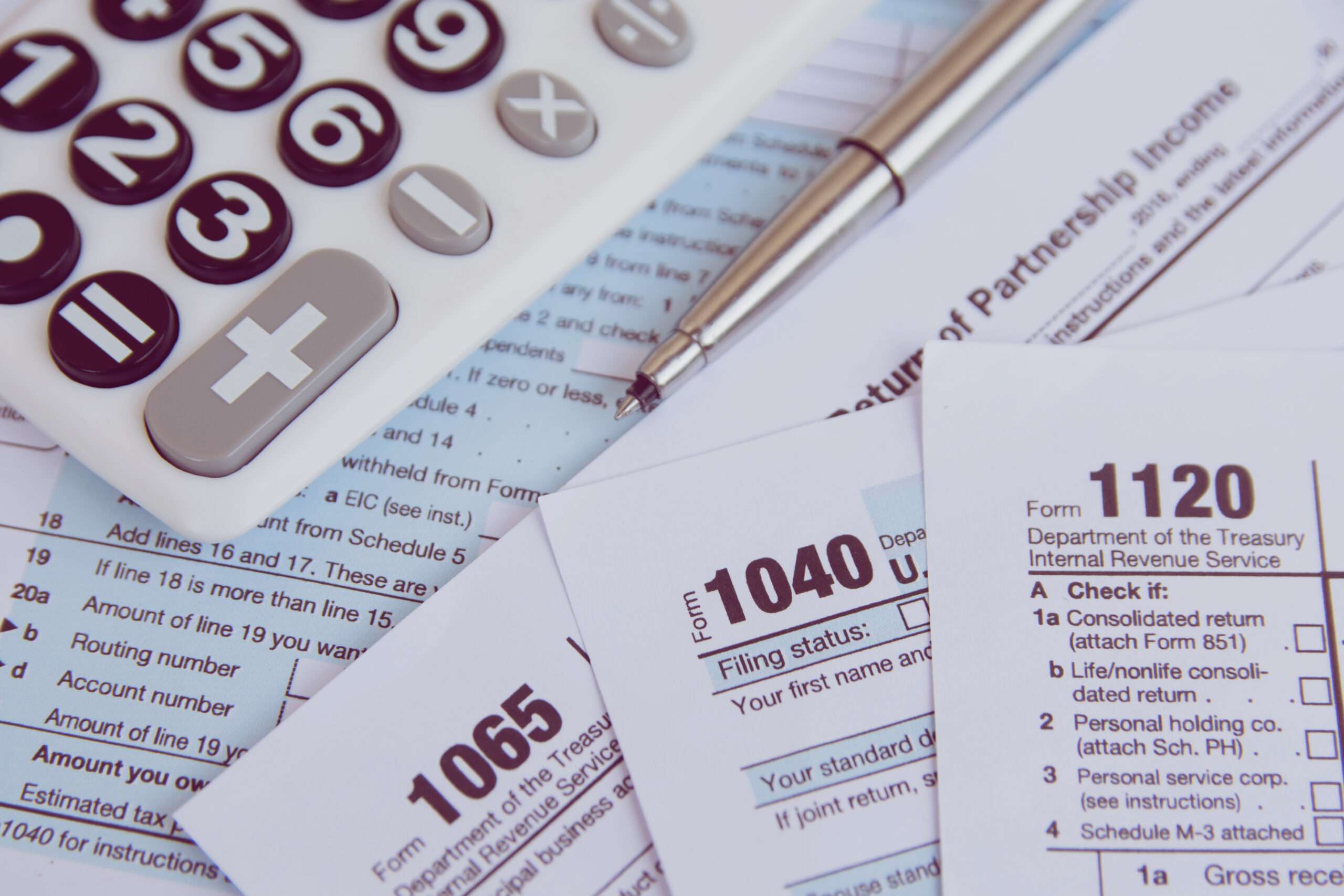
2. Tax Cuts and Reform Under OBBBA – The One Big Beautiful Bill Act (OBBBA) is expected to provide a meaningful boost to both consumer spending and business investment:
- Consumer Impact: Goldman estimates that households will receive approximately $100 billion in additional tax refunds during the first half of 2026, equivalent to roughly 0.4% of annual disposable income. This infusion should support consumption and near-term demand.
- Business Investment: Provisions allowing full expensing of plant and equipment have already begun to lift forward-looking capital expenditure indicators. Goldman notes early evidence that these incentives are translating into improved investment sentiment and planning.
Outlook
With tariff-related headwinds receding and fiscal policy turning more supportive, Goldman views the U.S. economy as entering 2026 with stronger momentum, particularly in consumer activity and capital investment. These dynamics are expected to underpin faster growth relative to late 2025 and improve the overall investment backdrop.
Additional Drivers of 2026 Economic Growth
Goldman’s outlook indicates that the most meaningful productivity gains from artificial intelligence are still several years away. While economists expect the U.S. unemployment rate to stabilize around 4.5% in 2026, they do not anticipate a meaningful decline in the near term.
In fact, unemployment could trend modestly higher if productivity-enhancing AI tools are adopted more rapidly than expected or if corporate management teams intensify efforts to reduce labor costs in 2026.
The inflation outlook is more constructive. After rebounding to nearly 3% in 2025, Goldman expects progress toward lower inflation to resume. The firm attributes the persistence of elevated core PCE inflation at 2.8% in 2025 primarily to tariff pass-through effects, estimating that inflation would have been closer to 2.3% absent tariffs.
While tariff pass-through is expected to increase modestly—from approximately 0.5 percentage points today to about 0.8 percentage points by mid-2026, assuming tariffs remain at current levels—its impact should diminish in the second half of 2026.
As a result, Goldman forecasts core PCE inflation declining to just above 2% by year-end 2026, supporting a gradually improving inflation environment.