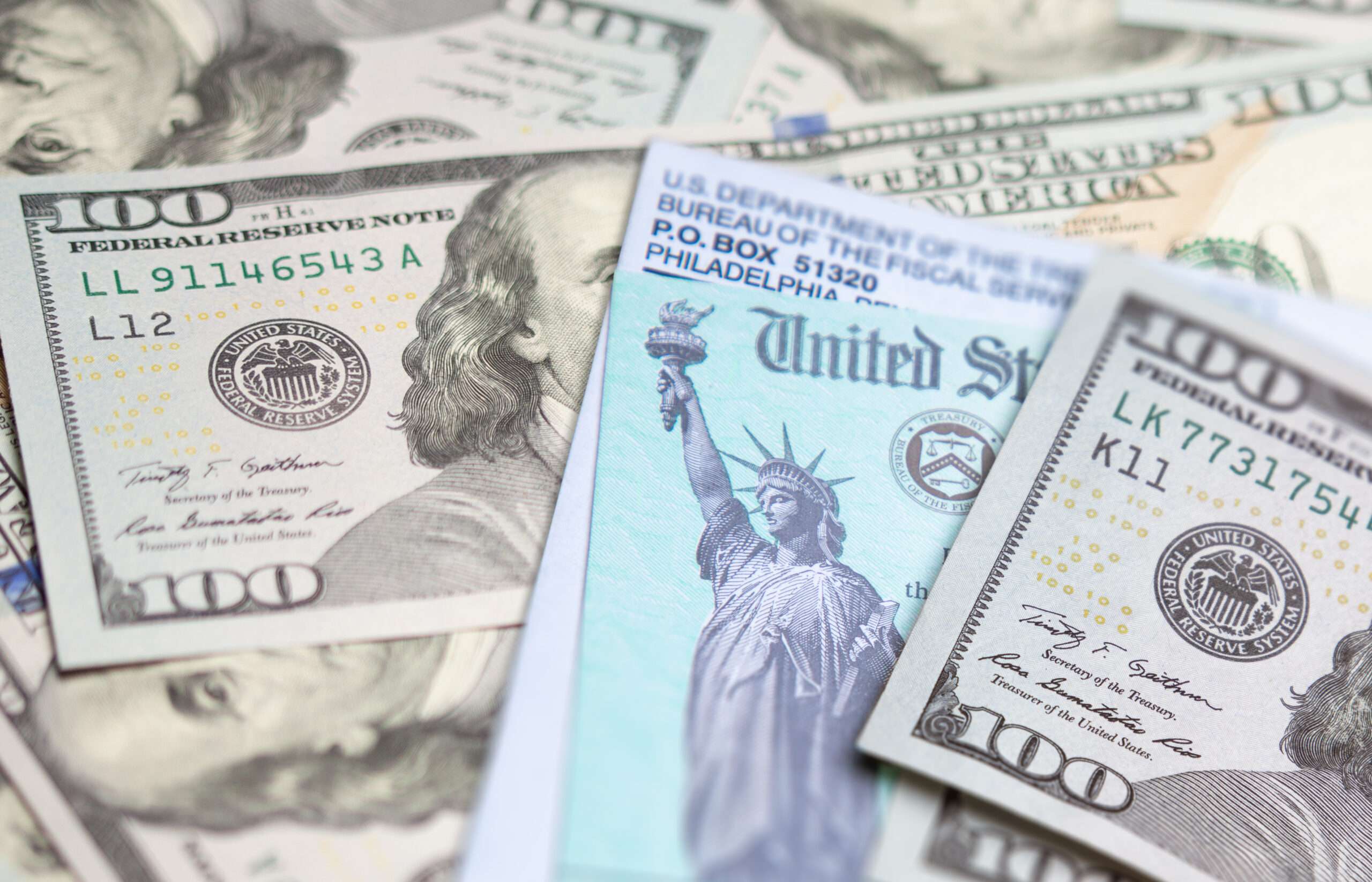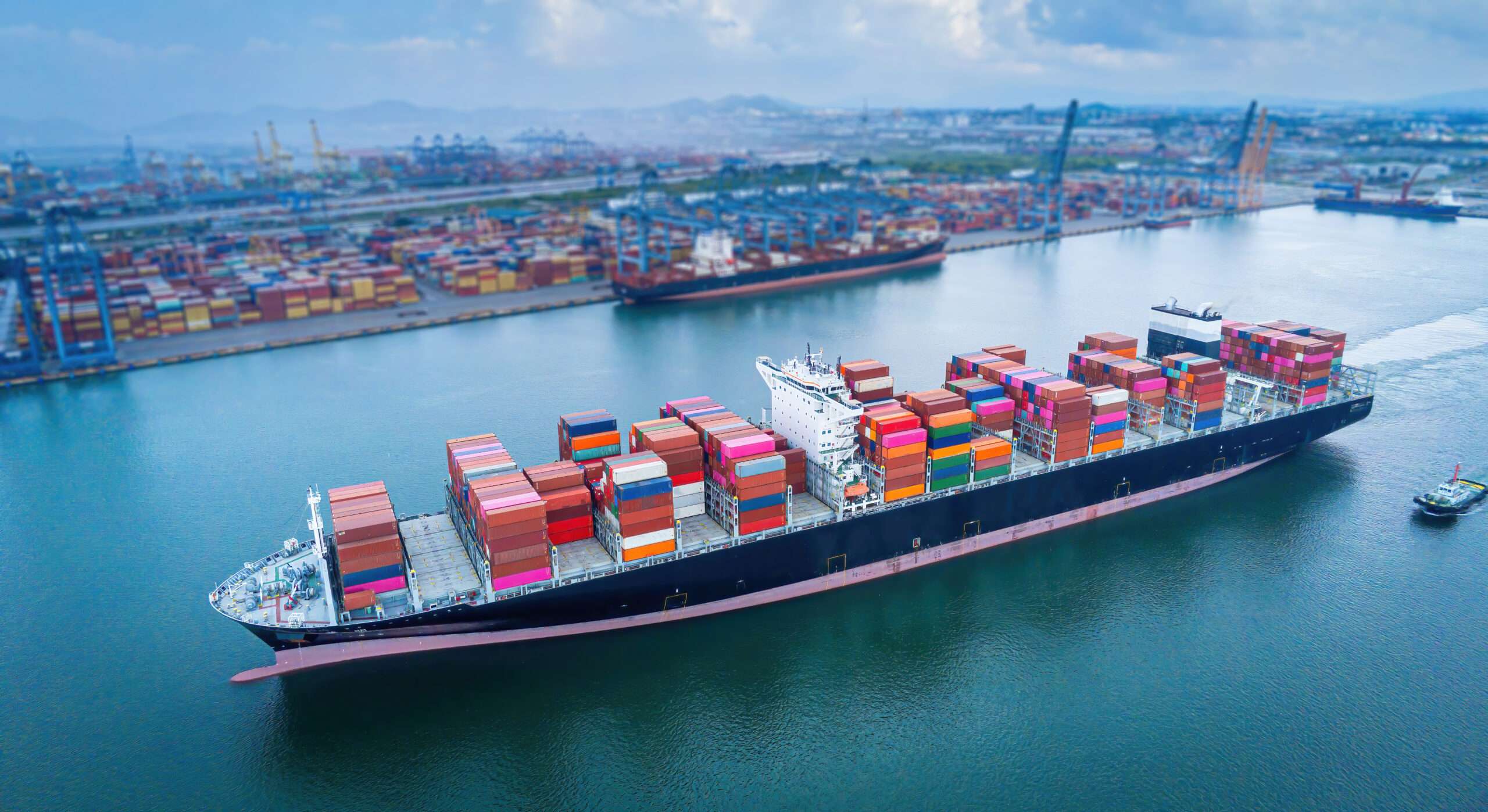
The move demonstrated the president’s determination to pursue aggressive global tariffs despite facing a Supreme Court rebuke. According to recent reporting by The New York Times, President Trump announced on Saturday that he would increase his new global tariff to 15 percent—just one day after the Supreme Court struck down his previous punitive duties.
The Court said Trump improperly used emergency powers to impose tariffs. Judges emphasized that Congress — not the president — controls tariffs and taxes. This is a major blow to one of Trump’s core economic policies.
Mr. Trump revealed the change via social media, stating the policy would be implemented immediately, signaling his intent to continue his trade war despite the significant legal defeat.
For certain countries, Mr. Trump’s new 15 percent tariff may exceed the rates that previously applied to their U.S. exports.
Those earlier tariffs were invalidated on Friday after a majority of Supreme Court justices ruled that the president lacked the authority to impose them using emergency powers.
The Trump administration previously invoked an obscure statutory provision — unprecedented in its application to the presidency — to impose a uniform 10 percent tariff on imports from around the world. The law permits such a tariff for 150 days, extendable by Congress, and limits the rate to 15 percent.
President Trump has indicated his intention to pursue additional trade authorities to impose further tariff increases beyond that threshold. In a public statement, President Trump announced an immediate increase in the global tariff rate from 10 to 15 percent, asserting that longstanding trade imbalances had disadvantaged the United States. He further noted that his administration would be announcing additional, legally authorized tariff adjustments in the near term as part of its continued trade policy objectives.
The ruling prolongs a period of uncertainty for businesses and foreign governments that have been navigating the president’s aggressive and ever-changing tariff policies. The Trump administration had used the threat of tariffs as leverage to push other nations into trade agreements with the United States, and Trump has continued to warn that countries must honor the deals negotiated over the past year or face new tariffs.
However, the abrupt lifting of his emergency tariffs — which had been a key tool in pressuring foreign governments to make trade concessions — is expected to cast doubt among international leaders about whether those agreements are still worth honoring.
Several governments are facing criticism back home for the trade concessions they made to the U.S. In India, farmers have strongly opposed Prime Minister Modi’s decision to open agricultural markets. Indonesia signed its trade deal with the U.S. just this past Thursday, agreeing to zero tariffs on American goods in exchange for a 19 percent rate on its own exports.
The Trump administration plans to use other legal tools, like Section 301 of the 1974 Trade Act, to impose country-specific tariffs based on trade behavior — though those processes will take time.
Section 301 of the Trade Act of 1974 authorizes the U.S. Trade Representative to investigate foreign countries that violate trade agreements or engage in unfair, discriminatory, or intellectual property–related trade practices, and to impose tariffs or other trade measures in response.
For now, all countries will face the same 15 percent tariff, regardless of the deals they made or the concessions they offered. Trade experts warn this could actually give an edge to low-cost producers like China, whose goods would still be affordable even with the added tariff.
Not everything is affected equally, though. Trump carved out exemptions late Friday for beef and certain agricultural products that had previously been protected from the highest tariff rates to help keep food prices in check.
The new rate will also not apply to products such as foreign automobiles and steel, which already face tariffs imposed for national security reasons. Mr. Trump maintained a policy honoring the terms of a trade agreement he previously negotiated with Canada and Mexico, ensuring imports under that pact remain duty-free. Additionally, he introduced new tariff exemptions—including for Central American nations that are part of a trade agreement signed in 2004.
Conclusion
The Supreme Court of the United States ruled [PDF] that Donald Trump’s use of the International Emergency Economic Powers Act to impose tariffs on nearly every country was unconstitutional. The decision could significantly undermine the administration’s tariff strategy, with the Court stating that the law was not intended by Congress to grant presidents authority to impose tariffs in this manner. Although the ruling resolves a significant legal question, the broader dispute over tariffs is far from finished. While many U.S. businesses and consumers may welcome the court’s decision to block Donald Trump’s latest tariff effort, it will likely serve only as a temporary pause in the administration’s ongoing trade conflicts.