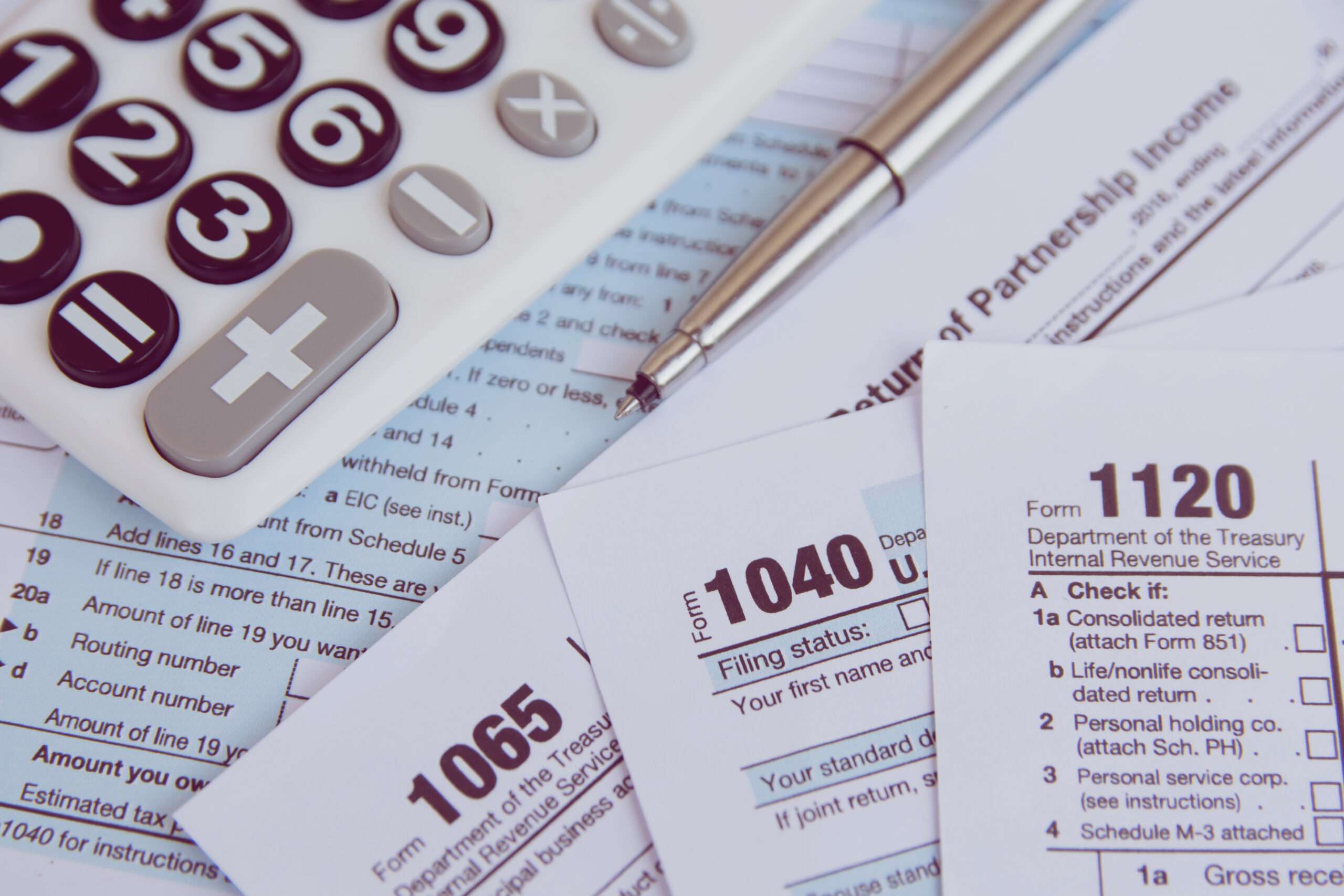
In January, the White House touted what it called the “largest tax refund season in U.S. history,” projecting hundreds of dollars in additional refunds this year due to changes in the tax code under the One Big Beautiful Bill Act (OBBBA). But economists caution those gains may quickly evaporate—offset by rising fuel costs tied to the ongoing conflict with Iran.
Fortune recently reported that an analysis from economists at the Stanford Institute for Economic Policy Research found that if the Strait of Hormuz remains closed for several more weeks and oil reaches $110 per barrel, gas prices could climb to $4.36 per gallon by May. That would push average annual fuel costs up by roughly $740 per household—nearly wiping out the estimated $748 increase in tax refunds projected by the Tax Foundation.
Gas prices have already risen more than 90 cents since late February, reaching $3.91 per gallon following military action initiated by Donald Trump in coordination with Israeli forces. The resulting conflict has effectively shut down the Strait of Hormuz, a critical chokepoint through which more than 20% of the world’s oil supply flows.
With oil prices hovering near $100 per barrel—and briefly surpassing $115 this week—gas prices have hit their highest levels since 2023. Even if tensions ease soon, consumers are still expected to feel the impact.
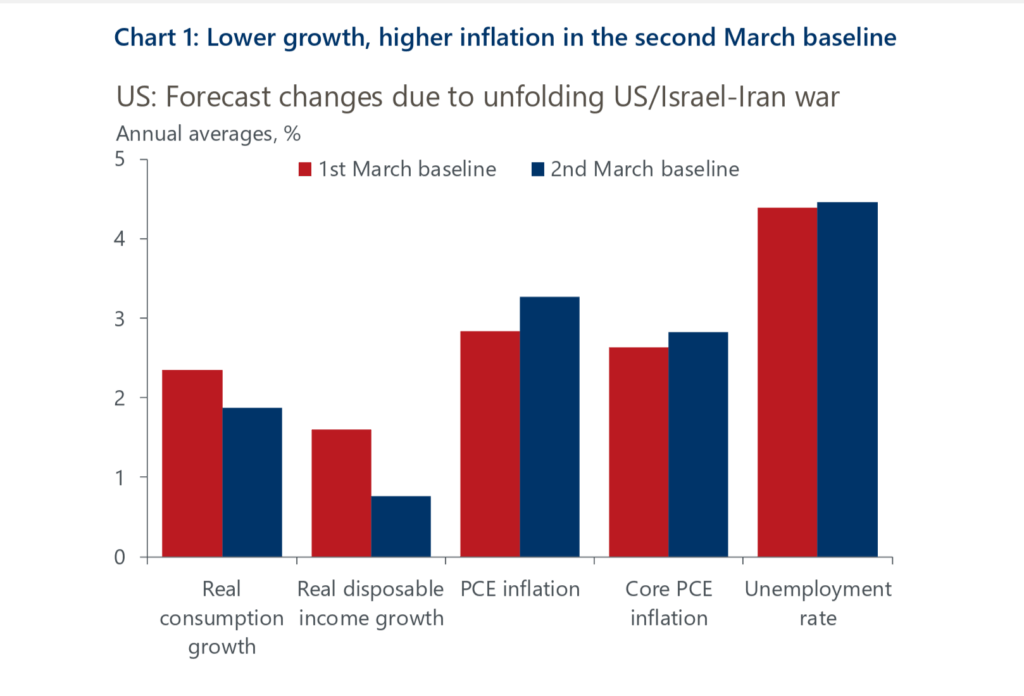
Analysts at Oxford Economics estimate that Americans could spend an additional $60 billion on gasoline in 2026 if prices average $3.60 per gallon—“almost exactly offsetting the boost from refunds.”
Elevated gas prices are likely to hit lower- and middle-income households the hardest
Which will further widen the divide in an increasingly K-shaped economy—where higher earners continue to spend while others struggle to keep up. According to analysts at Oxford Economics, the bottom 80% of earners allocate nearly 4% of their budgets to gasoline—almost double the share spent by higher-income households.
At the same time, key provisions in the One Big Beautiful Bill Act (OBBBA)—including tax breaks on overtime and state and local taxes—are expected to disproportionately benefit middle- and upper-income groups, further “deepening the bifurcation of the consumer” seen in recent years, the firm noted. As it stands, the Internal Revenue Service estimates that average refunds are about $360 higher than last year.
Why gas prices are likely to remain stubbornly high
Oil and gas prices are expected to stay elevated through at least the end of the year. The Energy Information Administration projects average gas prices of $3.34 this year and $3.18 in 2027 under current conditions. Analysts at Goldman Sachs similarly warn that oil could remain above $100 per barrel through 2027 if supply disruptions persist.
Even if the Strait of Hormuz reopens, global supply will take time to normalize. The shutdown has created a backlog of oil tankers, and clearing that congestion could take weeks. In addition, infrastructure damage from ongoing strikes in the Gulf may continue to constrain production, further delaying a full recovery in supply.
In a bid to lower gas prices, the Trump administration has suspended key shipping restrictions this week. The Jones Act, a century-old law requiring U.S. vessels for domestic transport, will now allow foreign ships to operate temporarily. This 30-day waiver targets a critical bottleneck: foreign tankers can now haul fuel directly from the Gulf Coast to East Coast refineries, a move Bloomberg reports could accelerate fuel delivery and reduce pump prices.
Policy experts, however, are skeptical the impact will be meaningful. The Center for American Progress estimates the move would reduce gas prices by just three cents per gallon.
According to Bloomberg, Vice President JD Vance is also expected to meet with oil executives to address the surge in prices.
“We know they’re up, and we know that people are hurting because of it,” Vance said at an event in Michigan this week. “And we’re doing everything that we can to ensure that they stay lower.”
Diesel prices have surged 36% over the past month, reaching $5 per gallon as of March
When diesel hits $5 per gallon—as it did in March, following a staggering 36% monthly jump—everyone feels it. Farmers, logistics companies, construction crews, and retailers all depend on diesel. Their rising fuel costs don’t stop with them; they get passed straight to consumers through higher prices on groceries and virtually everything else we buy. Groceries will likely feel the impact first. Farmers depend on diesel to operate agricultural equipment, and the trucking industry—which carries 83% of U.S. agricultural products and 92% of dairy, fruits, vegetables, and nuts according to USDA data—will pass these fuel costs onto consumers. Construction faces similar pressures: diesel powers heavy equipment like bulldozers and excavators, and trucks transport most building materials. These rising logistics costs will ultimately drive up prices for housing, infrastructure projects, and home renovations.