Early Thursday, the House narrowly approved a comprehensive “One Big Beautiful Bill ” to advance President Trump’s domestic agenda. This legislation would significantly cut taxes, allocate more funds to the military and border security, and offset some costs by reducing spending on Medicaid, food assistance, education, and clean energy programs. Critics project it would substantially increase federal deficits and the number of uninsured individuals. Additionally, the bill includes a $4 trillion boost to the debt limit, enabling continued government borrowing.
Speaker Mike Johnson’s intense effort culminated in the House narrowly passing the One Big Beautiful Bill Act by a 215-to-214 vote. Democrats, however, have long pledged to leverage the bill, especially its cuts to popular programs like Medicaid and food assistance, as a central campaign issue against the G.O.P. The legislation now proceeds to the Senate.
So what’s in this Bill?
The Core Tax Moves
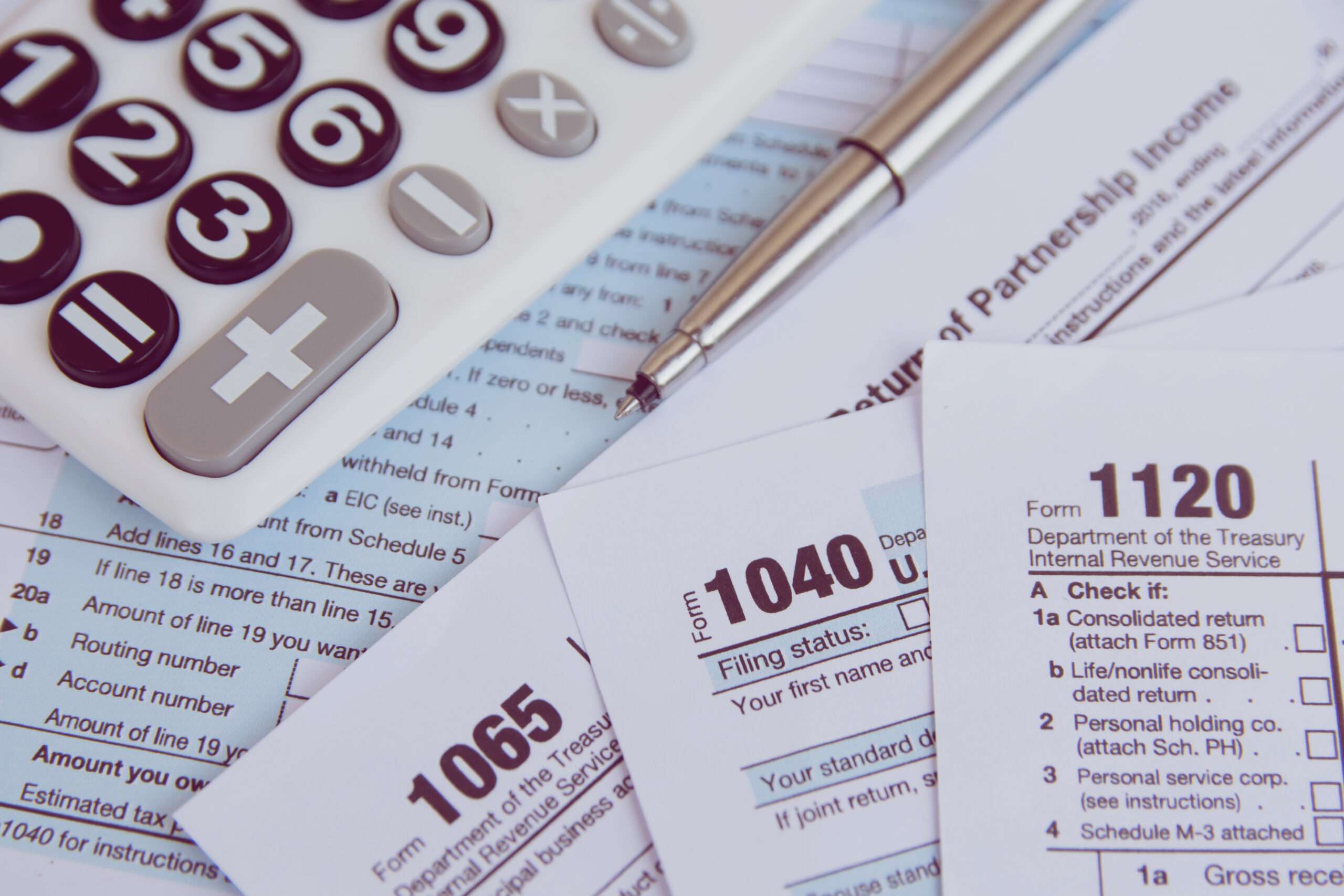
The bill extends the 2017 Trump tax cuts, making lower federal tax rates permanent and expanding deductions across the board, including restoring 100% bonus depreciation. This translates to thousands in annual savings for many households and business owners starting in 2025. Going beyond the 2017 act, the bill also adds new, temporary deductions for tips, overtime pay, and car loan interest, set to expire in 2028, fulfilling key Trump campaign promises. While it doesn’t eliminate Social Security taxes as proposed, House Republicans did include a temporary additional $4,000 standard deduction for seniors. It’s crucial to note that these specific three new provisions are temporary, not permanent. The bill introduces a temporary increase in the standard deduction, raising it by $1,000 for individuals (to $16,000) and $2,000 for joint filers (to $32,000). This deduction directly reduces the amount of income subject to taxation.
The estate tax exemption is set to increase to $15 million, with future adjustments tied to inflation. Addressing a contentious issue, the state and local tax (SALT) deduction cap will be raised from $10,000 to $40,000 for taxpayers with incomes up to $500,000. This increased cap will then phase down for those earning more. Both the cap and its income threshold will see annual 1% increases for ten years.
It also includes a provision that lifts the threshold for 1099-K reporting back to its previous levels, which are more than $20,000 and more than 200 separate transactions per year.
The bill includes notable business tax provisions:
- Qualified Business Income Deduction: Small businesses, encompassing partnerships and S corporations, will benefit from an increased deduction of 23% of their qualified business income (up from 20%).
- Full Expensing for R&D and Assets: Temporarily, businesses can fully deduct the costs of domestic research and development, as well as machinery, equipment, and other qualifying assets, in the year they occur. This measure is intended to encourage business investment and enhance productivity.
Big Cuts to Social Spending
The bill’s central element is a nearly $700 billion reduction in Medicaid spending, as estimated by the CBO, including:
- Medicaid will require a work verification starting in 2026.
- SNAP (food stamps) eligibility gets even stricter.
- Planned Parenthood loses federal funding.
- These changes are already sparking a heated backlash.
Green Energy and Climate Rollbacks
To partially compensate for the revenue loss, Republicans propose repealing or accelerating the phase-out of clean energy tax credits enacted during Joe Biden’s presidency. This measure aims to reduce the overall cost of the tax portion to approximately $3.8 trillion.
All green energy tax credits created under the Inflation Reduction Act are set to expire by 2028. Unless Congress reinstates them later, there will be no more federal incentives for electric vehicles, solar panels, or home energy tax credits.
Where the Money Goes
The bill boosts military spending by $150 billion.
More missiles, more ships, more infrastructure.
It also includes $46.5 billion for border security, including new barriers, drones, and personnel.
What Gets Cut In Education
Workforce Pell Grants are getting expanded, especially for trade programs.
Central to the bill is a sweeping reform of the student loan program, designed to achieve $330 billion in budget savings and cuts. However, federal subsidized loans for undergrads are being phased out, and large universities with big endowments will pay more in federal taxes up to 21%.
Whats Next
The bill now heads to the Republican controlled Senate, where major revisions are expected.
Medicaid reform, education cuts and the green energy rollback are all likely to be challenged.
But the core tax cuts have momentum. The bill could reshape taxes, government spending and your bottom line. Stay informed because the rules are changing.