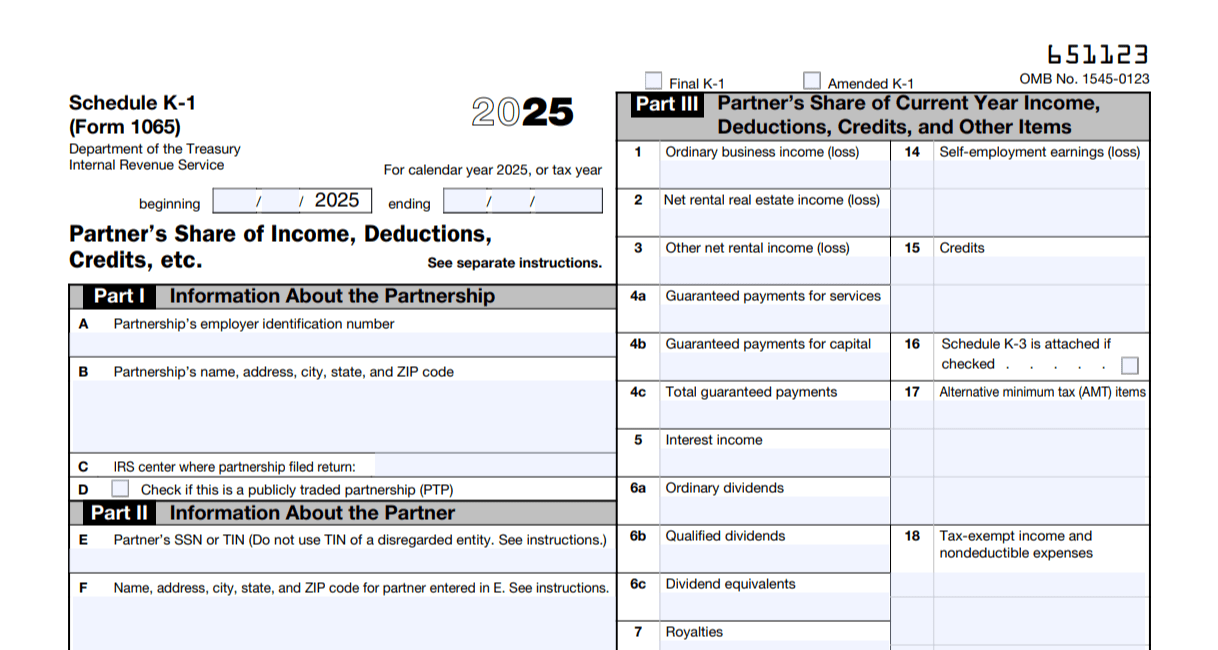
The recently signed “Big Beautiful Bill” Act fully preserves the Pass-Through Entity Tax (PTET) deduction. This deduction, often referred to as the small business deduction (Section 199A), enables eligible taxpayers to deduct up to 20% of their qualified business income (QBI) from their federal income tax liability.
Legislative uncertainty surrounding the Pass-Through Entity Tax (PTET) workaround has been resolved in favor of taxpayers. During the bill’s development, there was substantial concern that Congress would impose new restrictions, particularly targeting Specified Service Trades or Businesses (SSTBs). The House version of the legislation included provisions that would have disqualified SSTB income and investment activities from PTET deduction eligibility beginning in 2026.
However, the Senate removed these proposed limitations entirely during the reconciliation process. The final legislation preserves the PTET deduction without modification for all qualifying pass-through entities, regardless of business type or income source. This means professionals in law, medicine, financial services, consulting, and other service businesses retain full access to the deduction. Additionally, existing rules governing guaranteed payments, distributive shares, and active versus passive partner classifications remain unchanged.
Key provisions that were considered but ultimately rejected include income-based exclusions for SSTBs, adjusted gross income limitations, and restrictions on the types of business activities eligible for the deduction. The PTET mechanism continues to operate exactly as it has since its implementation.
This outcome provides significant relief for business owners in high-tax states who rely on the PTET election to effectively circumvent the $10,000 state and local tax deduction cap. The preservation of these rules maintains a vital tax planning tool across virtually all pass-through business structures, eliminating the compliance complexity and strategic limitations that the proposed restrictions would have created.
QBI Deduction Preserved with Expanded Income Thresholds
The final legislation maintains the 20% qualified business income (QBI) deduction rate, rejecting the House proposal to increase it to 23%. However, it delivers substantial improvements by making the deduction permanent and dramatically expanding the income ranges where taxpayers can claim benefits, particularly for Specified Service Trades or Businesses (SSTBs).
Previously, SSTB owners faced complete elimination of the QBI deduction at relatively modest income levels—approximately $191,950 for single filers and $383,900 for married couples filing jointly in 2024. These thresholds created a significant planning challenge for successful professionals whose income growth would eventually disqualify them from the deduction entirely.
Beginning in 2026, the new law transforms this landscape through several key changes. The legislation makes the QBI deduction permanent, eliminating uncertainty about future availability. More importantly, it substantially expands the phase-in ranges where taxpayers can claim benefits: single filers now have a $75,000 range (up from $50,000), while married couples filing jointly receive a $150,000 range (up from $100,000). Rather than facing complete elimination at the old thresholds, SSTB owners can now access the deduction at higher income levels, subject to modified wage and qualified property limitations.
The law also introduces a modest safety net for high earners previously excluded entirely—a $400 floor deduction (indexed for inflation) for taxpayers with at least $1,000 of qualified income, even if they exceed the expanded phase-out ranges.
These changes particularly benefit professionals in the mid-to-upper six-figure income range who were previously shut out of QBI benefits entirely. Solo practitioners, boutique firm owners, and professionals experiencing income fluctuations from business transitions or windfall events now have renewed access to meaningful tax savings. The expanded ranges also create new opportunities for strategic income timing and entity structure optimization.
Conclusion
With the Pass-Through Entity Tax deduction fully preserved, including for Specified Service Trades or Businesses (SSTBs), it’s crucial to ensure your elections are structured correctly and filed on time. The Qualified Business Income (QBI) deduction has been preserved and made permanent. Importantly, expanded income thresholds and modified rules mean that taxpayers who previously didn’t qualify for the deduction may now be eligible. Huckabee CPA will continue to actively monitor IRS guidance, state-level PTET implementation, and any emerging changes to keep you informed.