
Workforce dynamics present a unique paradox for today’s CFOs: while talent remains an organization’s most valuable asset, it’s also increasingly complex to manage. Financial leaders must navigate shifting workplace expectations, generational perspectives, economic pressures affecting employees, and their team’s growing influence on organizational culture.
As companies navigate workplace transformations in 2025 – from office policies to M&A integration and tech adoption – CFO and finance teams must actively participate in workforce planning. Whether leading directly, partnering with HR, or strategically delegating, financial leaders should help shape their organization’s talent strategy to align with projected growth.
Forget ping pong tables; building a sustainable talent pipeline is key. This means focusing on merit-based recruitment, internal upskilling, clear career paths, salary transparency, and fostering a work-life balance that allows employees to contribute meaningfully.
In the face of talent shortages, CFOs in accounting and finance must also stay ahead of evolving CPA requirements, shifting FP&A skill demands, and leverage technology to bridge these gaps. As a recent CFO.com article highlights, finance leaders should watch five key labor trends in 2025.
In 2025, CFOs should focus on five critical labor trends:
- Adapting to changing CPA certification requirements
- Managing the challenges of return-to-office strategies
- Leveraging data for smarter, strategic decision-making
- Enhancing workforce collaboration and efficiency
- Positioning themselves for a potential transition to a CEO role
1. Transforming CPA Certification: Addressing the Talent Gap
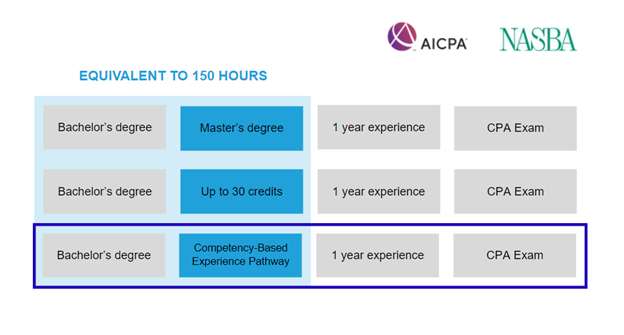
The AICPA and NASBA propose a new competency-based pathway to CPA licensure to address the accountant shortage. This alternative route would require a bachelor’s degree, one year of relevant work experience, and mastery of seven core professional skills, including ethical behavior, critical thinking, communication, and technology expertise.
Additionally, candidates must demonstrate audit, tax, or business/financial reporting expertise. If approved, this new pathway could be available by the end of the year, offering a more flexible option for aspiring accountants.
2. Return-to-Office as a Strategic Lever
As companies reassess their workforce structures, many are using return-to-office (RTO) mandates as a tool to optimize payroll costs and address productivity concerns. Major corporations like Toyota, AT&T, and Dell have implemented partial office return policies, while JPMorgan recently made waves with an entire five-day-a-week requirement. For businesses aiming to enhance in-person collaboration while managing labor expenses, RTO policies are increasingly being seen as a dual-purpose strategy.
To ensure a successful return-to-office transition, CFOs should:
- Conduct a thorough cost-benefit analysis, accurately budgeting for expenses related to the transition.
- Perform an attrition risk assessment to anticipate potential employee departures.
- Re-evaluate existing productivity metrics to ensure they accurately reflect performance in a hybrid or in-office environment.
As companies plan 2025 office returns, CFOs must ensure adequate workspace availability – a challenge recently highlighted by Amazon’s struggles. Poor space planning can undermine the transition and employee productivity, transforming a strategic initiative into a source of frustration.
The stakes extend beyond individual companies. With commercial real estate facing uncertainty and urban centers still recovering, how medium and large enterprises handle office returns could revitalize city economies and support the businesses that depend on office workers. These decisions will help shape the next evolution of post-pandemic work culture.
3. Navigating Multi-Generational Workforce Collaboration with Data
The role of Gen Z in shaping the future of work is a significant focus for many organizations. However, finance leaders must address a broader, unprecedented challenge: effectively managing a multi-generational workforce. With baby boomers delaying retirement and living longer, workplaces now consist of four distinct generations—baby boomers, Gen X, millennials, and Gen Z—each bringing unique values, insights, life experiences, and definitions of success. These differences can create friction and complicate collaboration, particularly in finance.
To overcome this challenge, finance leaders can leverage objective, widely accessible datasets to establish clear direction and goals that resonate across generational divides. The CFO.com article mentions that businesses such as DUDE Wipes, Milo’s Hamburgers, Chipotle, Vertiv, and Liquid Death have announced plans to adopt this approach by 2025. By aligning company objectives with actionable data, CFOs can foster stronger collaboration between finance teams and departments like marketing, sales, and human resources. This data-driven strategy bridges generational gaps and enhances overall organizational cohesion and productivity.
4. Human Capital Management: Compensation, Diversity, Equity, and Inclusion

The landscape of human capital is shifting as AI continues to evolve—particularly with advancements in generative AI, artificial general intelligence, and artificial superintelligence. Organizations must rethink the skills they prioritize, how they source talent, and how they assess employee value, especially in light of changing CPA requirements and ongoing talent shortages.
Additionally, as the Federal Reserve emphasizes the need for wages to keep pace with inflation, finance teams should anticipate increased payroll allocation requests, particularly for cost-of-living adjustments. With salary transparency laws gaining traction in various cities and states, the traditional 4% annual raise may no longer suffice to retain top talent, pushing companies to reassess their compensation strategies.
While younger employees may request salaries that exceed industry norms, finance teams should strategically value talent structurally and individually. Payroll budgets should be flexible to accommodate diverse personal situations, career goals, and professional development needs while supporting clear pathways for growth.
At the same time, DEI initiatives, once a central focus for many HR departments, are being scaled back by some organizations due to concerns over potential violations of Title VII of the Civil Rights Act of 1964. To mitigate risk, CFOs should remain mindful of how factors such as race, gender, and sex are addressed internally, particularly in hiring practices. Experts across the political spectrum suggest CFOs collaborate with HR and legal teams and, in some cases, conduct audits of hiring-related communications to ensure compliance with anti-discrimination laws.
5. Strategically Preparing for a Future CEO Role
With CFOs increasingly being considered for CEO positions, finance leaders with executive ambitions should take a proactive approach to career development. While financial expertise remains crucial, the evolving demands of the CEO role in 2025 and beyond will likely require a broader skill set beyond traditional CFO responsibilities.To stand out as a top candidate, CFOs should focus on expanding their leadership capabilities by joining CFO and executive leadership groups, networking with peers who have successfully transitioned, and deepening their understanding of business operations. Strengthening soft skills, demonstrating strategic alignment between finance and corporate objectives, and showcasing operational leadership will further position them as well-rounded executives ready to take on the CEO role.